
Use arrow keys to explore, Shift for larger steps, plus or minus to zoom, and Home to center the axis. Open Events in this period to read event details.
 Boabdil (1460 CE to 1533 CE)
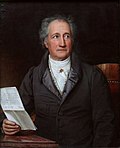 Johann Wolfgang von Goethe (1749 CE to 1832 CE)
 Glasnost and Perestroika (1985 CE to 1991 CE)
 Berlin Wall (1961 CE to 1989 CE)
 Suffragist Movement in the United Kingdom (1897 CE to 1928 CE)
 Independencies of Spanish America (1810 CE to 1833 CE)
 Society of Jesus (1540 CE)
 Elizabeth I (1558 CE to 1603 CE)
 Great Schism of the West (1378 CE to 1417 CE)
 Alhambra (1238 CE to 1492 CE)
 Ars Nova (1320 CE)
 Tenochtitlán (1325 CE)
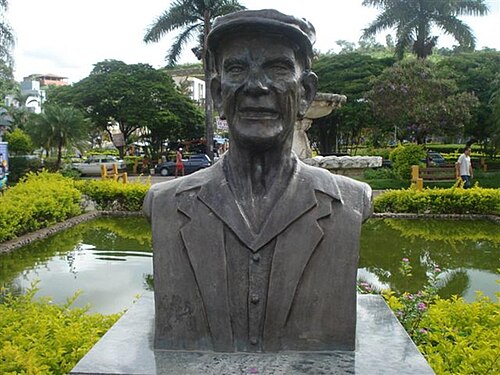 Francisco Cândido Xavier (Chico Xavier) (1910 CE to 2002 CE)
 Eurípedes Barsanulfo (1880 CE to 1918 CE)
 Nicolaus Copernicus (1473 CE to 1543 CE)
 Manhattan Project and Atomic Age (1942 CE to 1946 CE)
 Divaldo Pereira Franco (1927 CE to 2025 CE)
 Franz Anton Mesmer (1734 CE to 1815 CE)
 Léon Denis (Life and Work) (1846 CE to 1927 CE)
 Aztec Civilization (1300 CE to 1521 CE)
 Inquisition (1231 CE to 1834 CE)
 First Africans in Brazil (1539 CE to 1542 CE)
 Pestalozzi (1746 CE to 1827 CE)
 Renaissance (1350 CE to 1590 CE)
 Industrial Revolution (1760 CE to 1840 CE)
 World War II (1939 CE to 1945 CE)
 Sister Joana Angélica de Jesus (1761 CE to 1822 CE)
 Soviet Union (1922 CE to 1991 CE)
 Immanuel Kant (1724 CE to 1804 CE)
 Adolfo Bezerra de Menezes (1831 CE to 1900 CE)
 Hippolyte Léon Denizard Rivail (Allan Kardec) (1804 CE to 1869 CE)
 Johann Kaspar Lavater (1741 CE to 1801 CE)
 Council of Trent (1545 CE)
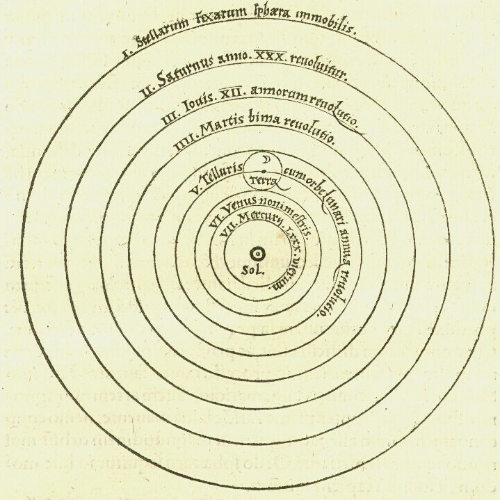 Beginning of Heliocentrism (1543 CE)
 First Printed Bible (1452 CE)
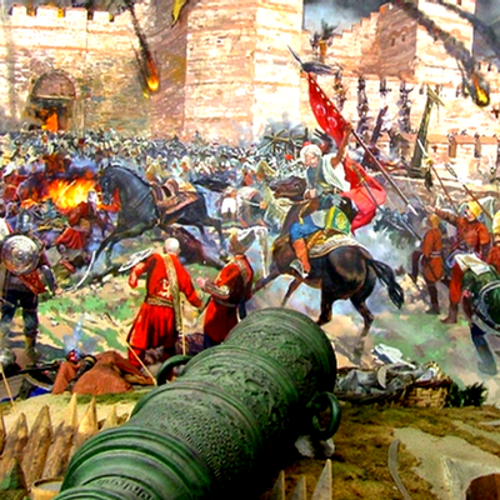 Fall of Constantinople (1453 CE)
 Enlightenment (1685 CE to 1815 CE)
 Martin Luther (1483 CE to 1546 CE)
The bull Romanus Pontifex confirms Portuguese privileges in African expansion
Detailed modal with historical information, media, references and analysis for the selected timeline event.
- Date
08 Jan 1455 AD
- Category
- Religion
- Classification
- Punctual Event
Description
On 8 January 1455, Pope Nicholas V issued Romanus Pontifex, a papal bull addressed to the Portuguese Crown. It confirmed privileges over territories and trade in expansion along the African coast, naming King Afonso V and Infante Henrique.
The bull restated powers granted in Dum Diversas in 1452, including permission to subjugate groups described as enemies of the Christian faith and to reduce people to perpetual slavery. It also endorsed Portuguese exclusivity in areas and activities covered by the instrument.
The document shows religious authority being used to legitimize monopolies and coercion. It belongs to the legal context that preceded the large-scale Atlantic slave trade, which later supplied the Americas, including Brazil.
Tags
💡 Click a tag to filter the timeline
Explore this event
Sources
Notes
The entry uses 1455, following modern archival dating. The document gives 1454 under the convention that began the year on 25 March. The bull reaffirmed earlier grants, and the trade already existed when it was issued.